In this article
A .NET development company builds software using Microsoft's .NET platform. This guide explains what these firms do, why businesses pick .NET, the services you can expect and how to choose a partner.
Key takeaways
- .NET is a strong fit for enterprise, SaaS and cloud applications.
- Modern .NET runs on Windows, Linux, macOS and in containers.
- Choose a partner for their architecture, security and support skills, not only price.
- Cost depends on scope, features, timeline and infrastructure.
What is a .NET development company?
A .NET development company designs and builds software on Microsoft's .NET framework and related tools. Typical work includes:
- Enterprise web applications.
- SaaS platforms.
- Business management systems.
- APIs and microservices.
- Mobile and cloud solutions.
.NET works across Windows, Linux, macOS and cloud environments. Full-service providers offer both consulting and development, helping you plan, build and scale systems.
Why businesses choose .NET
Enterprise-level security
Built-in authentication frameworks, encryption and role-based access control suit finance, healthcare and enterprise SaaS.
High performance and scalability
ASP.NET Core offers fast execution and efficient memory use, so apps can grow with traffic and users.
Cross-platform development
Older .NET versions were mostly tied to Windows. Modern .NET runs on Linux, in containers and in the cloud.
A strong Microsoft ecosystem
.NET integrates with Azure, SQL Server, Visual Studio and Power BI, which simplifies development, deployment and integration.
Long-term reliability
Many .NET enterprise systems run for years with few performance problems.
Services a .NET company offers
- Custom .NET application development: software tailored to your processes, such as internal systems or SaaS products.
- ASP.NET web application development: dashboards, portals, e-commerce platforms and customer service systems.
- .NET Core development: cross-platform deployment and better cloud performance.
- Enterprise software: ERP, CRM and internal management tools.
- Migration and modernization: moving legacy apps to newer frameworks or to the cloud.
- API and integration services: secure APIs that connect payment gateways, CRM platforms and external services.
Applications built with .NET
- Web applications with complex workflows and heavy traffic.
- SaaS platforms.
- Enterprise software such as ERP, CRM and workflow tools.
- Cross-platform mobile apps with .NET MAUI.
- Cloud-native applications and microservices on Azure.
Key technologies
- ASP.NET Core: a high-performance framework for web apps and APIs.
- C#: the main .NET language, valued for readability, type safety and performance.
- Modern .NET (.NET 6 and later): cross-platform development and cloud deployment.
- Azure: hosting, infrastructure and DevOps for .NET apps.
- Microservices architecture for scalable distributed systems.
Industries that use .NET
- Healthcare: secure patient data systems and telemedicine platforms.
- Finance: transaction processing, risk analysis and fintech products.
- E-commerce: scalable online stores and marketplaces.
- SaaS: many startups build on ASP.NET and .NET Core.
- Logistics: shipment, inventory and operations tracking.
Benefits of hiring a .NET development company
- Access to experienced developers in architecture, security and performance tuning.
- Faster delivery through established workflows, DevOps tooling and testing.
- Scalable architecture that avoids expensive rebuilds.
- Ongoing maintenance, updates and performance tuning.
How to choose the right partner
- Technical expertise: check for ASP.NET Core, microservices, Azure and enterprise experience.
- Past projects: ask for case studies similar to your industry.
- Process: look for discovery, architecture, development, testing and deployment stages.
- Communication: clear updates and early warnings about problems.
- Long-term fit: systems evolve, so pick a partner who can support you over time.
When .NET is the right choice, and when it is not
.NET is a strong option, but no platform fits every project. A good partner will tell you honestly which side your project falls on.
.NET is usually a good fit when
- You are building a business system with complex rules, roles and reporting.
- Your company already uses Microsoft tools such as Azure, SQL Server, Active Directory or Microsoft 365.
- Security, auditing and long-term maintainability matter more than the fastest possible launch.
- You need to modernize an older Windows-based application.
Another stack may be simpler when
- You need a small marketing website or blog, where a CMS such as WordPress is quicker and cheaper to run.
- You are testing an idea and speed matters most. A lighter stack can get a first version out sooner.
- Your team already has strong skills in another stack and no reason to change.
.NET compared with other popular stacks
Most business software can be built on several stacks. These are the usual differences when choosing between them:
- .NET (ASP.NET Core): strongly typed, fast, very good tooling and a natural fit with Azure and Microsoft products. A common choice for enterprise and SaaS.
- Node.js: JavaScript on the server, popular for real-time features and for teams that want one language across front end and back end.
- PHP (such as Laravel): quick to build with and widely available hosting, popular for websites, e-commerce and content-heavy products.
- Java: mature and widely used in large enterprises and banking, with a very large ecosystem.
The best choice depends on your team, your existing systems and your growth plans. The stack matters less than the quality of the architecture and the team building on it.
Moving from older .NET Framework to modern .NET
Many companies still run applications built on the older .NET Framework. These often keep working, but they can be harder to host, update and hire for. Moving to modern .NET usually brings better performance, easier deployment on Linux and in containers, and access to current libraries.
A migration does not have to be a full rewrite. A careful partner will review the application first, move it in stages, test each stage and keep the business running while the work happens. Ask any company you are considering how it approaches this and how it reduces risk.
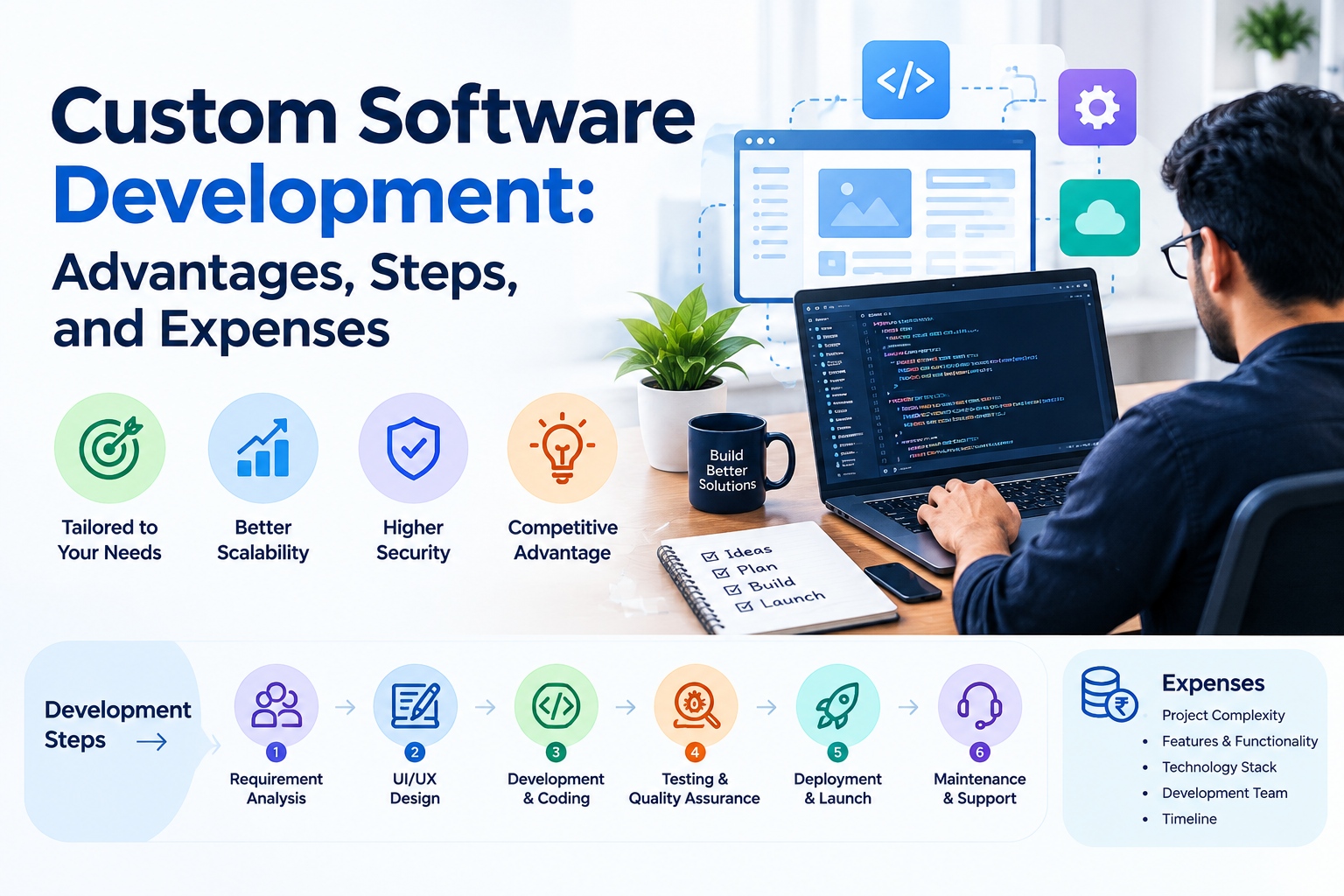
How a typical .NET project runs
- Discovery: goals, users, features and constraints are written down.
- Architecture and design: the structure, database, integrations and screens are planned.
- Development in short cycles: you see working software regularly and can adjust direction.
- Testing: functional, security and performance checks before release.
- Deployment: the app goes live on your chosen hosting, often with automated release steps.
- Support and improvement: monitoring, updates and new features after launch.
Questions to ask a .NET development company
- Which .NET version will you use, and how will you handle updates in future?
- Have you built or migrated systems similar to ours?
- How do you structure code, test it and release it?
- Where will it be hosted, and what will the hosting cost each month?
- Who owns the source code, and will we have repository access?
- What support do you offer after launch, and what does it cost?
Cost of hiring a .NET development company
Cost depends on project complexity, number of features, timeline, team size and cloud infrastructure. Enterprise applications need larger budgets, while smaller web apps can be built by leaner teams. Weigh long-term value and scalability over the initial price.
Planning a project? Explore our custom software development services or contact us for a fixed quote.
Frequently asked questions
What does a .NET developer do?
Builds applications on the .NET platform, from web apps and APIs to enterprise and cloud systems.
Why choose .NET for enterprise applications?
Strong security, performance, scalability and integration with Microsoft products make it a leading enterprise choice.
Is .NET good for cloud development?
Yes. It works well with Azure and supports microservices for scalable applications.
How long does it take to build a .NET application?
Simple web apps may take a few weeks. Enterprise systems can take several months, depending on complexity.
Can an older .NET Framework application be upgraded?
Often yes. A common approach is to review the application, then move it to modern .NET in stages with testing at each step, so the business keeps running during the work.
Is .NET only for large companies?
No. It is popular in enterprises, but smaller teams also use it for SaaS products and business tools. For a simple website, a CMS may be cheaper and faster.